


Peru – Machu Picchu and more
Peru – Machu Picchu and more
The sacred city of Machu Picchu, a Unesco World Heritage site, Cusco, Arequipa, all good reasons to visit Peru. We offer several tours of this wonderful country.
French and English-speaking groups available
May to November
“Self-guided” tours available
To visit Peru is to discover a country with spectacular landscapes and an ancient culture. Machu Picchu, the Inca city perched in the Andes, is one of the world’s most famous archaeological sites. But there’s more to Peru than Machu Picchu: the Nazca lines, Lake Titicaca, the Amazon jungle and the historic city of Cusco also offer unique experiences.
The country is distinguished by the diversity of its landscapes, from Pacific beaches to the Amazon and Andean peaks. Trekking enthusiasts will be delighted with tours such as the Inca Trail and the Salkantay.
Peru’s world-renowned gastronomy, with dishes such as ceviche, is sure to please.
In short, Peru combines nature, history and culture, making every trip a rich and unforgettable adventure.
On November 24, 2024, Peru was recognized as the world’s best cultural and culinary destination. See details here!

Discovering Machu Picchu
It was Hiram Bingham who discovered Machu Picchu and recognized the existence of this Inca route during his explorations in 1911 and 1915. In 1941, the Viking Foundation expedition led by Paul Fejos discovered further sections. It was on this occasion that the very important Wiñay Wayna site was discovered. It wasn’t until 1968 and the expedition led by Dr. Victor Angles that the site was uncovered in its entirety.
In 1981, to protect this archaeological treasure trove and the rich flora that surrounds it, the Peruvian government decided to classify the entire area of the Urubamba valley and the Vilcabamba mountain range as a national reserve, under the name of “Machu Picchu Archaeological Park”.
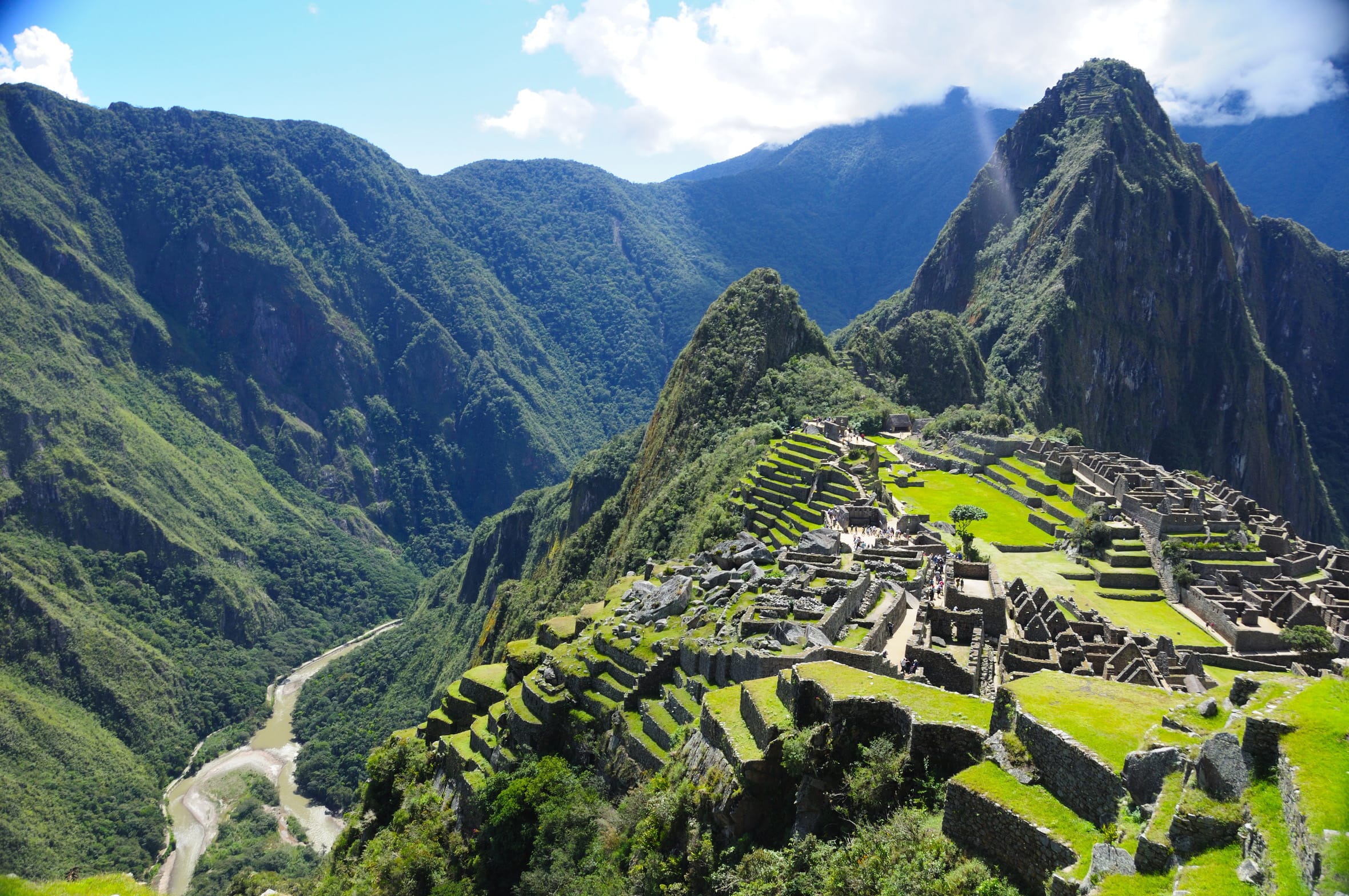
The exceptional beauty of the area, where nature and man’s ingenious creation blend in perfect harmony, has made this trail a veritable pilgrimage, transporting every traveller into another world, that of the splendid Inca universe. At the end of the trail, the sacred city of Machu Picchu, forgotten for centuries, is revealed.
Considered a masterpiece of Inca architecture, it was designated one of the New Seven Wonders of the World by the New Open World Foundation on July 7, 2007. Since then, thousands of hikers and visitors have marveled at this mountain-top architectural marvel.
And what about Cusco?
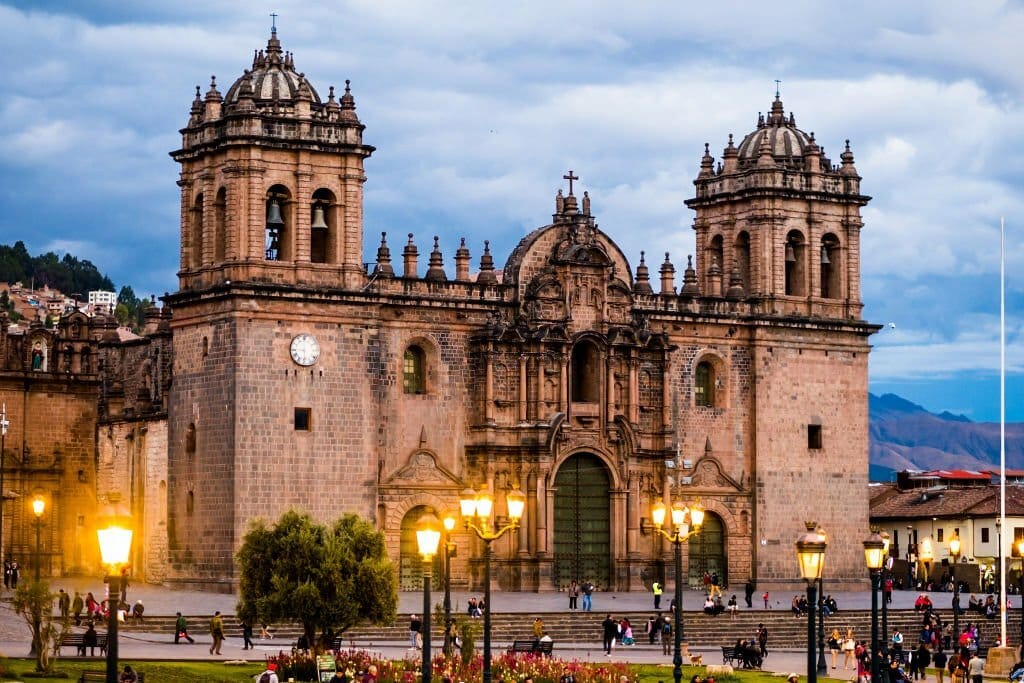
The Incas didn’t name Cuzco – “the navel” in Quechua – without reason. Every good itinerary in Peru passes through this city of exceptional historical heritage. The gateway to the Sacred Valley leading to Machu Picchu, the imperial city can be explored through its narrow streets, baroque churches and lively squares.
Weather on Machu Picchu:
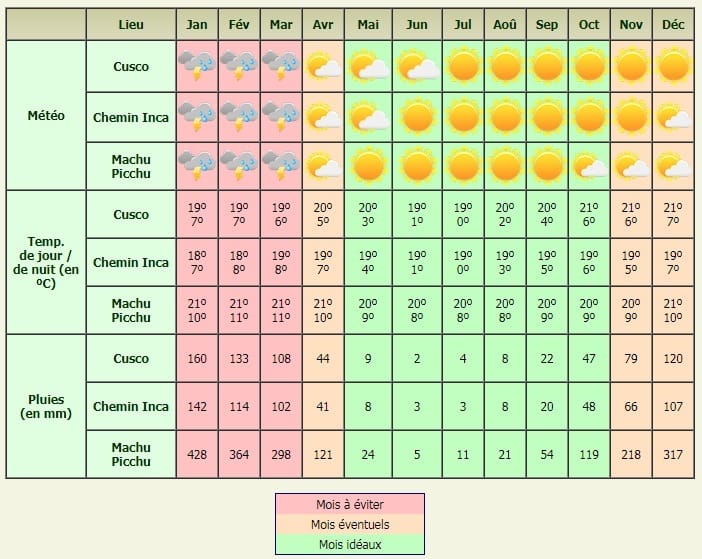
*** Optionnal – one night at SkyLodge – check it out
Have you ever wanted to sleep in a condor’s nest? Here is the next best thing! A transparent luxury capsule that hangs from the top of a mountain in the Sacred Valley Peru.
Located in the Sacred Valley of Cuzco, Peru, the exclusive Skylodge Adventure Suites offers you the chance to sleep within a completely transparent hanging bedroom, that allows you to appreciate the impressive view of this magic and mystic valley.
Short video re: the Incas route
4 m 30 s video on Peru
We work with a local partner, which allows us to offer you an itinerary that suits your tastes. Of course, Machu Picchu, but also other attractions in Peru such as the Colca Canyon, the Amazon jungle, and more.
Suggested itinerary
Machu Picchu is one of many sites worth visiting in Peru. Of course it’s a must-see, but there’s also the Sacred Valley, the city of Cusco, white Arequipa, Lake Titicaca and the Amazon jungle. We can either include you in our already departing groups, or build you a tailor-made itinerary that will allow you to make the most of your visit to this wonderful Andean country.
Machu Picchu
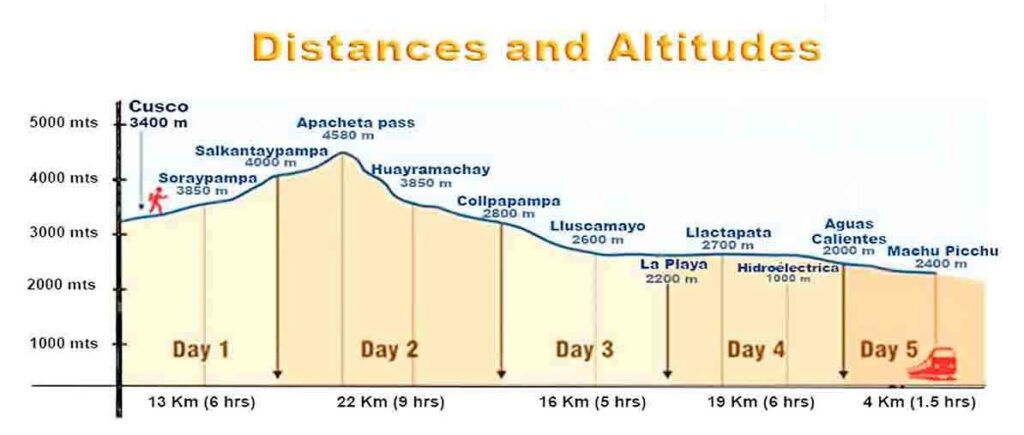
There are many ways to get to Machu Picchu. We offer two (2) 4-day trekking tours, the mythical Inca Trail to Machu Picchu and the Salkantay trek. It is also possible to visit the site without taking these routes. Transportation (bus/train) can be arranged to take you to the town of Agua Calientes, the starting point for daily excursions to the site.
PACKAGE - THE BEST OF PERU IN 14 DAYS

CUSCO AND THE SACRED VALLEY (DAYS 1-4)
Day 1 : Lima – Cusco
Domestic flight from Lima to Cusco, approximately 1 hour and 15 minutes. Private transfer from the airport to your hotel in Cusco. French-speaking assistance at the airport.
Overnight stay at the Anden Inca Hotel in a standard room.
Included: airport taxes, domestic flight, arrival transfer, French-speaking guide, briefing, room & breakfast
Day 2 : Cusco
Free morning to explore the imperial city of Cusco, a UNESCO World Heritage Site. It is one of the most beautiful cities in South America. The city is perched at an altitude of 3,400 m and was built by the Incas in the shape of a puma.
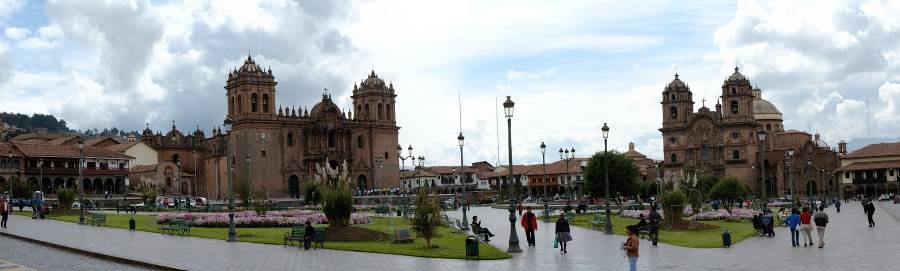
The colonial aspect of the city is still strongly influenced by the Inca presence, with its colossal stone walls, its neighborhoods divided into “canchas,” and the foundations of temples on which the Spanish built churches, monasteries, and convents. With over 300,000 inhabitants, this capital of the Andes remains a mysterious city rich in discoveries of all kinds. Suggested visits:
- – the Plaza de Armas and Cusco Cathedral,
- – the Qoricancha (Temple of the Sun) built in 1440 by the Incas,
- – the San Blas neighborhood,
- – The four ruins of Sacsayhuaman
Private tour of the imperial city of Cusco, listed as a UNESCO World Heritage Site and considered one of the most beautiful cities in South America. Perched at an altitude of 3,400 meters, it was built between the 11th and 12th centuries by the Inca people. Despite the arrival of the Spanish in the 16th century, who transformed its architecture, the city is still strongly imbued with the Inca presence, notably with its colossal stone walls, its neighborhoods divided into “canchas,” and above all the foundations of temples on which the Spanish built churches, monasteries, and convents. With over 300,000 inhabitants, this capital of the Andes remains a mysterious city that is a pleasure to explore in every corner.
Visit the Qoricancha (Temple of the Sun) built in 1440 by the Incas, then walk for about 3 hours to discover the historic center of the city, including its main square and the colorful San Pedro market.
Lunch at a local restaurant.
Note:
The Boleto Turistico General de Cusco (BTG), worth 130 soles, is included in the price of this quote. It gives access to several archaeological sites in the Cusco region and the Sacred Valley and is valid for a period of 10 days.
Overnight stay at the Anden Inca Hotel in a standard room.
Included: English-speaking guide, guide fees, entrance to Qoricancha, lunch (excluding drinks), Cusco General Tourist Ticket (BTG), room & breakfast
Day 3 : CUSCO – SACSAYHUMAN – PISAQ – CUSCO
Your driver will pick you up in a private vehicle for a trip into the world of Inca cosmogony: the Sacsayhuman Archaeological Park, located on a rural platform just above Cusco (vehicle). First stop, the Sacsayhuaman fortress, the largest megalithic structure in Peru and the largest known Inca construction. This fortress had not only a military function, but also an administrative and religious one.
The day continues with a visit to the astronomical and ceremonial center of Q’enco, followed by a visit to the small fortress of Puka Pukara, the “red fortress” that guarded the entrance to the Inca capital. Finally, visit the ruins of Tambomachay, which were “the baths of the Inca,” consisting of two ritual baths, a place of worship of water. On the way, visit the Awanacancha textile center and the Zoolojico animal refuge.
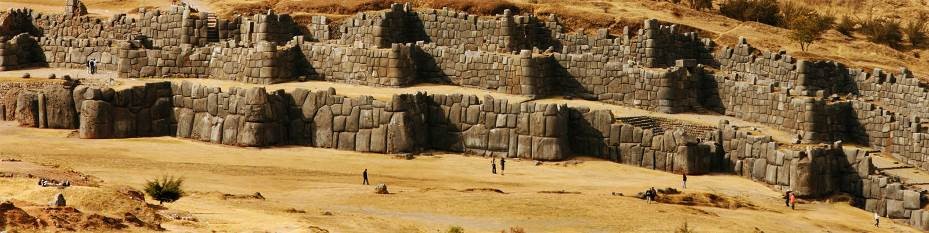
On the way to Pisaq, there are several panoramic viewpoints. Explore the ruins of Pisaq, a site perched high in the mountains stretching along a ridge more than 2 km long, giving you a view of the entire valley. It is probably the most impressive Inca site after Machu Picchu. You can then descend from the ruins in your private vehicle, or walk down the 1,050 stone steps used by Inca priests to reach the sacred river.
Once at the bottom, visit the village of Pisaq and its ancestral craft market, one of the most beautiful in Peru. Free time at the market to shop. Overnight stay at the Anden Inca Hotel in a standard room.
Included: transportation, lunch (without drinks), English-speaking guide, room & breakfast
Day 4: Chinchero – Salineras de Maras – Moray – Ollantaytambo
Departure from the hotel to the Inca village of Chinchero (“rainbow” in Quechua).
Visit the village, which was an important checkpoint for agricultural traffic from the Sacred Valley to the capital Cusco during the Inca period. The village, renowned for the quality of its textiles, has a refined colonial church and the ruins of Inca terraces.
In the afternoon, visit the Maras salt mines, salt flats consisting of thousands of pools dating back to the pre-Inca period and fed by a saline water source. Salt is still harvested manually today at this site, which is operated by local communities. Once the visit is over, it is possible to walk to the village of Maras, located about an hour and a half away, to take a stroll through this peaceful village.
The day continues with a visit to the site of Moray. This site consists of a series of concentric terraces of different sizes and depths that served as an Inca agricultural laboratory. These structures allowed different species of crops to be acclimatized to the different Andean climates (there can be up to a 10°C difference between the bottom of the structures and the upper terraces).
The last transfer of the day is to the fortified village of Ollantaytambo. Visit the Inca fortress and its temple before losing yourself in the narrow streets of this Inca village, considered the most typical and best preserved of the pre-colonial era.
Overnight stay at the Samanapaq Hotel in a standard room.
Included: transportation, site entrance fees, lunch box, English-speaking guide, room & breakfast, guide fees.
THE INCA TRAIL (Day 5 to 9)
DIFFICULTY LEVEL:
Despite its elevation gain, the Inca Trail is not considered an advanced trek, but rather an intermediate one, accessible to people of all ages who want to take on the challenge, although some people who are poorly prepared or trained may still find it quite physically demanding. The first and last days of the trek are the easiest, with the second day by far the most difficult, involving the crossing of the Warmiwanusca Pass at 4,200m, followed closely by the third day in terms of difficulty. It is extremely rare for someone not to complete the trek, so there is no need to worry on that front—we will all make it to Machu Picchu together!
Much of the Inca Trail consists of steps carved into the stone, some of which are quite high. It is therefore strongly recommended that you bring walking sticks to better balance your body weight and greatly help prevent knee injuries.
IMPORTANT: Your sticks must have rubber tips to protect the metal tips that could damage the stone!
It was Hiram Bingham, the archaeologist who discovered Machu Picchu, who first recognized the existence of this Inca Road during his explorations in 1911 and 1915. In 1941, the Viking Foundation expedition, led by Paul Fejos, discovered other sections. It was on this occasion that the very important site of Wiñay Wayna was discovered. It was not until 1968 and the expedition of Dr. Victor Angles that it was fully cleared. In order to protect these archaeological treasures and the rich flora that surrounds them, in 1981 the Peruvian government decided to classify the entire area of the Urubamba Valley and the Vilcabamba mountain range as a national reserve under the name “Machu Picchu Archaeological Park.” The exceptional beauty of the site, where nature and human ingenuity blend in perfect harmony, has made this trail a veritable pilgrimage, transporting travelers to another world, that of the splendid Inca universe. Its worldwide recognition explains the Peruvian government’s desire to limit access to this trail in order to preserve it.
Level of difficulty: Intermediate Duration: 4 days
Distance: 48 km Elevation gain: +2,310 m and -2,510 m
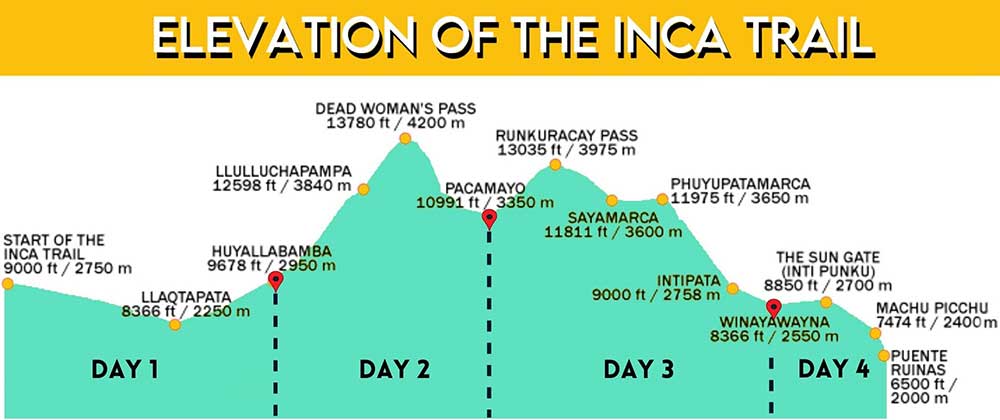
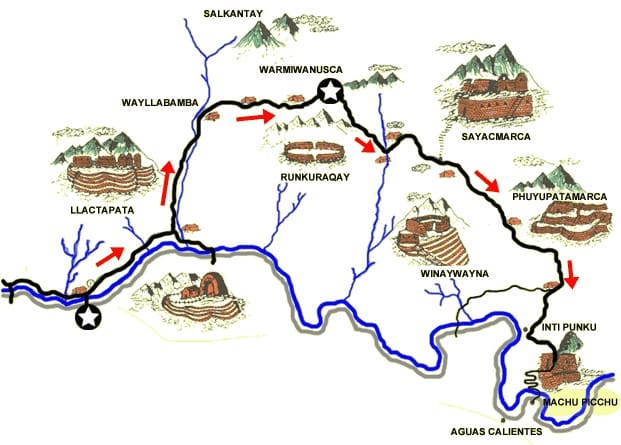
Day 5 : PISCACUCHO – KM 82 – AYAPATA
Distance to cover: 15 km Walking time: 6-7 hours
Altitude: Min. 2650 m / Max. 3300 m /
Elevation gain: 650 m / Elevation loss: 100 m
Temperature: Day 24º C / Night 6º C Level of difficulty: Moderate
Transfer from your hotel to the start of the trek in Piscacucho. The area is also known as km 82 of the Cusco – Quillabamba railway line.
Preparation and quick breakfast before starting the hike (almost flat path before a gradual climb to the camp). After a few minutes of walking, permit check at the mouth of the Cusichaca suspension bridge (built with steel cables).
This is followed by a crossing over the Urubamba River and a short walk through a small eucalyptus forest before reaching the archaeological remains of Llactapata (approximately 2.5 hours).
Llactapata, or “village of the heights,” is an archaeological complex located at the foot of a mountain on the left bank of the Cusichaca River, a tributary of the Urubamba River. This site includes numerous Andean terraces, which were probably used to feed the inhabitants of other towns and the “tambos” (warehouses) along the Inca Trail. This area has more than 100 structures and an Inca altar called “Pulpituyoq.” The climate is generally warm, and the landscape is colored by the magnificent broom bushes in the area.
After lunch, the trail climbs to the Wayllabamba campsite, where a second and final check is required before continuing for 3 km to the Tres Piedras campsite. The campsite is located near Patawasi, where you can see Inca terraces and building remains.
Evening meal and night in tents. English-speaking trekking guide.
Included: collective trekking equipment (personal sleeping bag not included), 4-day Inca Trail permit, half board during the trek, night in a tent, collective equipment carried by mules, transportation, guide (hiking), extra porter.
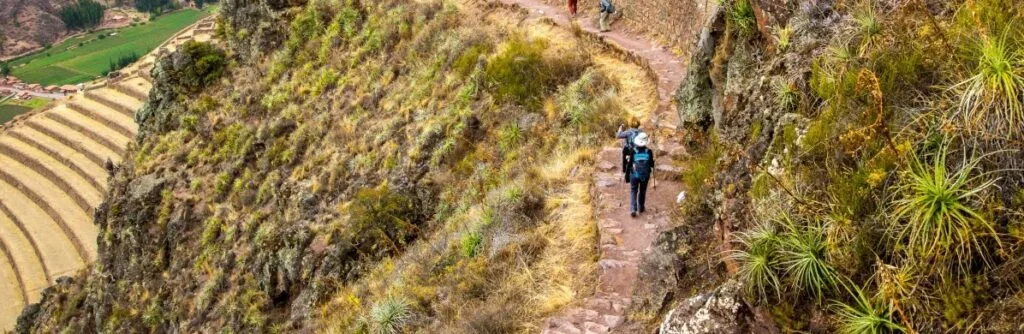
Day 6 : AYAPATA –CHAQUICOCHA
Distance to cover: 15 km Walking time: 8-10 hrs approx.
Altitude: Min. 3300 m / Max. 4200 m.
Elevation gain: 1350 m / Elevation loss: 970 m
Temperature: Day 19º C. / Night 4º C. Level of difficulty: Difficult
This is the longest and most difficult day of the trek. It includes a long (approximately 9 km) and fairly steep climb to the Warmihuañusca pass at an altitude of 4200 meters (literally translated from Quechua as “place where the woman dies”).
The natural environment changes as you climb higher, with the temperate valley gradually giving way to vegetation-free pastures where ichu, a local plant adapted to these harsh conditions, is grown. Short break at Llullupampa to recharge our batteries before reaching the Warmihuañusca pass.
After crossing the abra and regaining some strength, we begin the descent to the Pacaymayo river valley, where there is a small waterfall and where we will have lunch.
The day continues with the crossing of a second pass from where you can see the archaeological remains of Runkuracay, at an altitude of 3,800 meters. Runkurakay owes its name to its semi-circular shape, which provides protection from the strong winds in the area. The complex has a single entrance with seven access points to seven different rooms.
Descend to the Yanacocha lagoon (black lagoon) and arrive at Sayaqmarca or “dominant village.” These Inca ruins, whose only access is a steep stone staircase on the mountainside, offer a breathtaking panoramic view of the Acobamba Valley and the snow-capped peak of Pumasillo.
The walk continues to the site of Conchamarka, a small archaeological complex recently discovered, before arriving at the Chaquicocha camp where you will spend the night.
Evening meal and night in tents. English-speaking trekking guide.
Note: Given the high altitude at the Warmihuañusca pass (4,200 m), you may experience the effects of soroche, or altitude sickness, during this day. At the pass, temperatures are generally quite low and strong gusts of wind can blow. It is very important, especially on this day, to keep your own pace, as going too fast can make the end of the day quite difficult and the next day challenging.
Included: collective trekking equipment (personal sleeping bag not included), night in a tent, full board during the trek, collective equipment carried by mules, guide (hiking), extra porter.
Day 7 : CHAQUICOCHA – WIÑAYHUAYNA
Distance: 11 km Walking time: 5-6 hrs. Approx.
Altitude: Min. 2,700 m / Max. 3,720 m.
Elevation gain: 50 m / Elevation loss: 1,020 m
Temperature: Day 24º C / Night 9º C Difficulty level: Easy
This is the shortest day of the trek, which begins with an ascent and the passage through the first “tunnel” on the trail, approximately 20 m long and carved into the rock.
The climb continues to the third and final pass on the path leading to the citadel of Phuyupatamarca. Meaning “village above the clouds” in Quechua, this ruin is one of the most original on the Inca Trail. Located on a gorge overlooking the Urubamba, it is surrounded by forest and features numerous Andean terraces and ceremonial springs.
On sunny days, you can enjoy the landscape of the Urubamba Valley and the adjacent glaciers. The lower part consists of circular constructions following the geographical shape of the terrain.
Once past the ruins of Phuyupatamarca, the trail begins a descent before opening onto ledges overlooking the Urubamba River to the site of Wiñayhuayna. Wiñayhuayna, or “forever young,” is located at an altitude of 2,644 meters. Its name comes from the typical red, yellow, and purple orchids that bloom all year round and abound in this area. This site was built on the steep side of the mountain on the left bank of the Urubamba River and is the last urban center before Machu Picchu.
The ruins consist of four main areas: the urban area (located in the lower part) comprising more than 20 buildings, the Ritual Springs area, the Cultivation Terraces area, and the Tower area (probably a religious or royal site).
The day will be short, with lunch and dinner at the Wiñayhuayna camp. You will therefore have the afternoon to rest and/or visit the nearby ruins.
Night in tents at Wiñaywayna. English-speaking trekking guide.
Included: collective trekking equipment (personal sleeping bag not included), guide (hiking), night in tents, full board trekking, collective equipment carried by mules, extra porter
Day 8 : WIÑAYHUAYNA – MACHU PICCHU – AGUAS CALIENTES
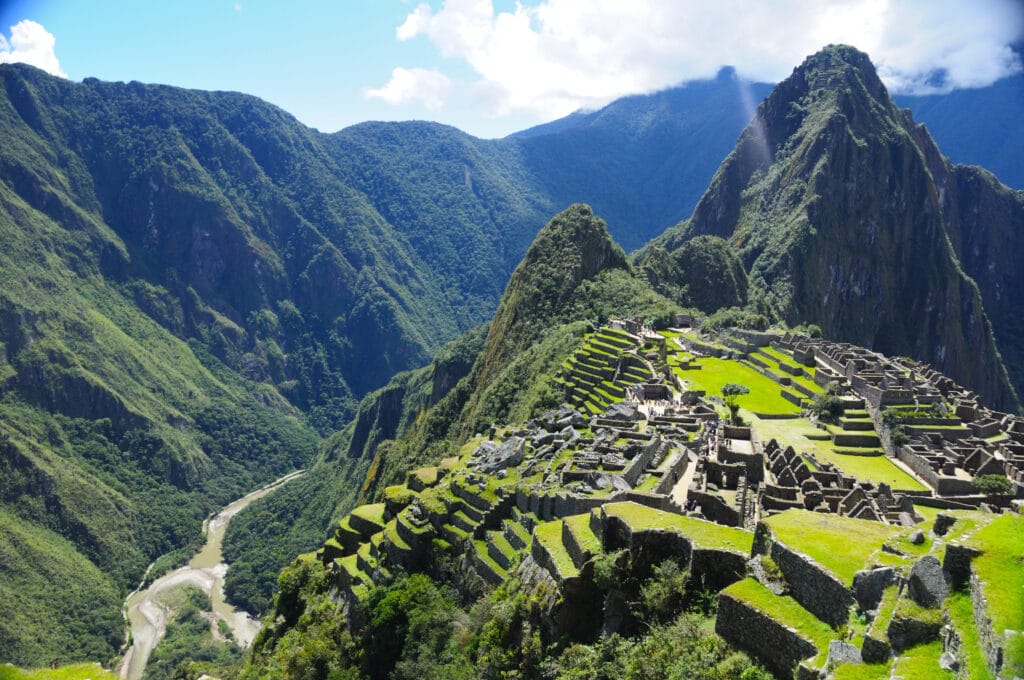
Distance: 7 km Walking time: approx. 3 hours.
Altitude: Min. 2,400 m / Max. 2,700 m
Elevation gain: 150 m / Elevation loss: 450 m
Temperature: Day 27º C Level of difficulty: Easy
The Incas always built their fortresses in places where they could see without being seen, attack without being attacked. The mysterious citadel of Machu Picchu, located on the edge of the jungle, is difficult to find. On this last stretch, you will see the Urubamba River. It flows from the high Andes to the deep jungle, forming a series of meanders that border the high walls of centuries-old rocks covered with dense woods.
The path continues alongside a massif suspended over a deep abyss with green slopes that descend to the noisy rapids of the river, thousands of meters below. Each bend in the path will reveal a different species of flora and fauna and a new perspective of the impressive landscape.
After about 3 hours of walking, you will arrive at “Intipunku” or Sun Gate. This small complex of buildings served as a checkpoint or lookout post. This entry point is ideal for taking perspective photos of the entire Machu Picchu.
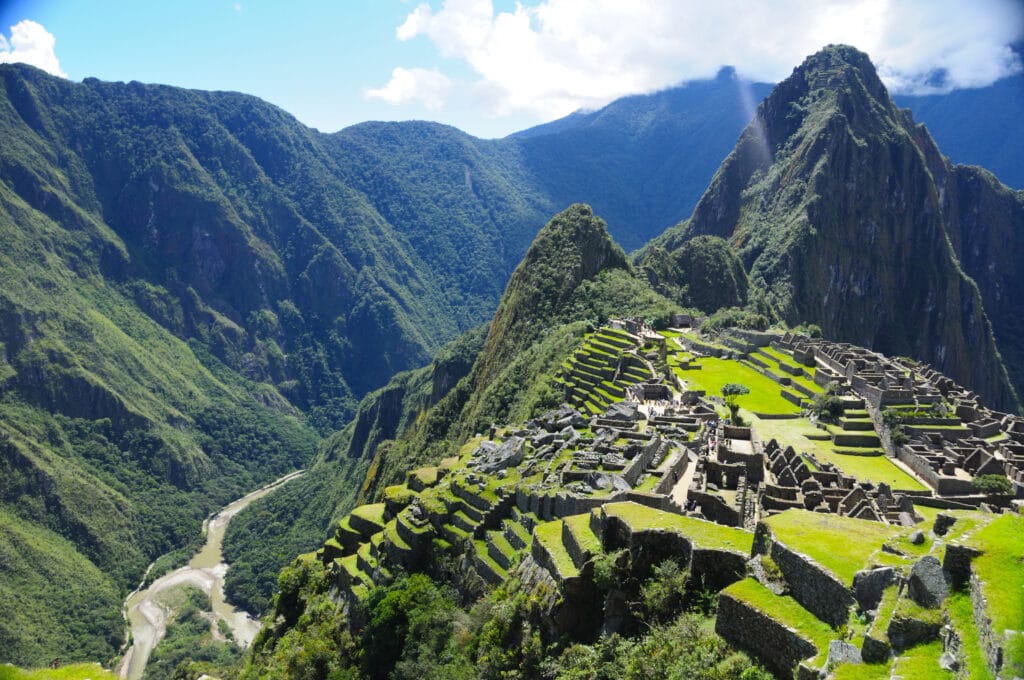
Built around 1450 by Emperor Pachacutec on a cliff overlooking the valley 400 meters below, Machu Picchu was primarily a religious sanctuary where the exceptional stonework proves that it was inhabited by the Inca nobility. The city is divided into two main sectors, one agricultural and the other urban, and despite its strategic position, the weakness of its fortifications suggests that the city had a minor military role. There are more than 200 stone buildings.
The city was probably abandoned even before the arrival of the Spanish, before falling into oblivion until its rediscovery in 1911 by Hiram Bingham. Today, it is listed as a World Heritage Site and has been officially named one of the New Seven Wonders of the World. The discovery of Machu Picchu, a mythical site, is undoubtedly a unique and magical experience, reconnecting you with your childhood imagination. Exploring the city in detail could take days, but the guided tour will only take you about 3 hours.
End of the tour, then descent to Aguas Calientes. English-speaking trekking guide.
Overnight stay at the Casa de Luz hotel (standard room).
Included: morning trek meal, shared trekking equipment (personal sleeping bag not included), entrance to Machu Picchu, transport of shared equipment by mules, guide (hiking), extra porter, room & breakfast, guide fees.
Day 9 : AGUAS CALIENTES – CUSCO
From Aguas Calientes (train departure: 8:30 a.m.), travel comfortably aboard the Inca Rail “Voyager” return train to the village of Ollantaytambo (train arrival: 10:10 a.m.).
Admire the landscapes of the Sacred Valley, its imposing mountains, snow-capped peaks, winding river, and the gradual change in vegetation.
Enjoy a variety of homemade natural drinks, prepared with Andean herbs representative of the region.
You will have an unforgettable experience in the heart of the Andes! Private transportation from the Ollantaytambo train station to your hotel in Cusco. Overnight stay at the Anden Inca Hotel in a standard room.
Included: train ticket, transportation, room & breakfast
Rainbow Mountain, Lake Titicaca and Lima (Days 10 – 14)
Day 10 : VINICUNCA – CHECACUPE
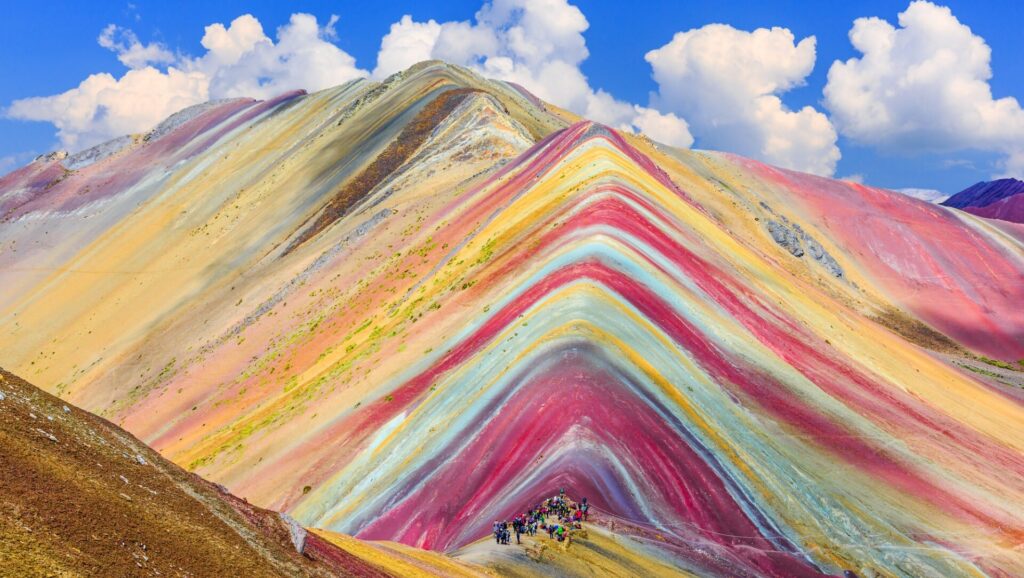
Depart from your hotel and travel to the region of Apu Ausangate, a legendary peak, Peru’s fourth highest mountain, and an area of profound natural beauty.
To reach Vinicunca Mountain, or “Rainbow Mountain,” you will pass through the Chilca Valley, where you will begin your ascent on a dirt road via the village of Pitumarca and the community of HanchipataQuesuno, near Chillca.
The trail follows a river, crossing charming alpaca pastures lined with small traditional villages. The gradual ascent will lead you to the final spectacle of the majestic colors of Rainbow Mountain. The drive takes about 3.5 hours.
The hike takes about 1 hour (45 minutes at a brisk pace) for the ascent and 30 minutes for the descent, and requires a relatively good level of fitness as you will be climbing to an altitude of just over 5,000 meters.
Arrival at your hotel at the end of the day. Overnight stay at the Casona Checacupe hotel (standard room). Evening meal at the hotel included.
Included: transportation, English-speaking guide, lunch, breakfast, entrance fees, room & breakfast, evening meal, guide fees.
Jour 11 : CUSCO – PUNO – LAC TITICACA
Private transfer from your hotel to the bus terminal in Cusco. Departure by unaccompanied tourist bus to Puno and the legendary Lake Titicaca.
Stop along the way to visit the famous chapel of Andahualillas, known as the Sistine Chapel of the Andes, and the archaeological site of Rachi with its temple dedicated to the god Viracocha. Cross the La Raya pass at 4340m and visit the village of Pucara and its famous bulls perched on the roofs of the houses.
Additional English-speaking guide from Cusco to Puno (full day) included. Arrival in Puno in the late afternoon. Private transfer from the bus station to your hotel. Overnight stay at the Casona Plaza Hotel in a standard room.
Included: departure transfer, lunch (excluding drinks), bus ticket, site entrance fees, English-speaking OR Spanish-speaking local guide, French-speaking guide, arrival transfer, room & breakfast, guide fees
Jour 12 : PUNO – UROS – TAQUILE – LUQUINA
Your guide will pick you up by car at your hotel and drive you to the port of Puno. Board the lunch boat with a capacity of 30 people. It will take 20 minutes by boat to reach the Uros community.
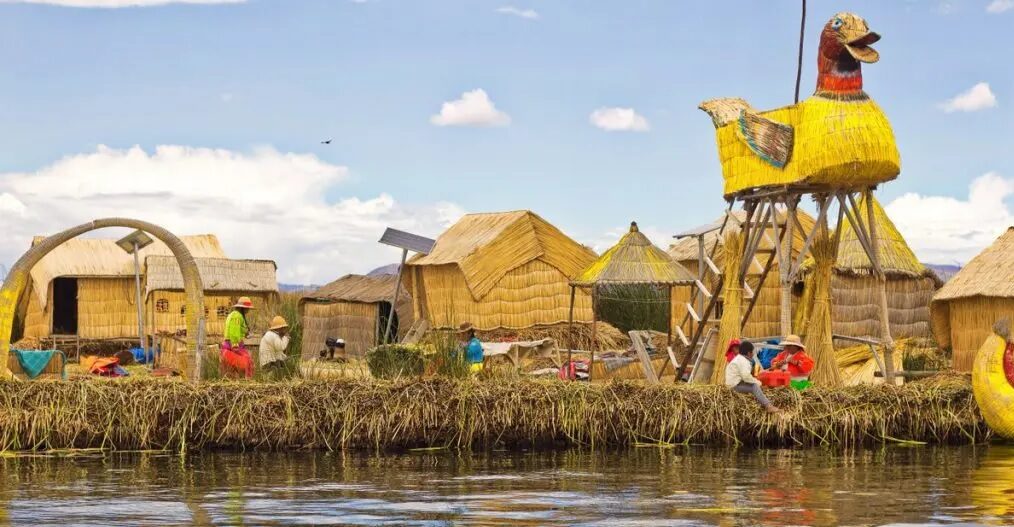
The Uros people live on strange floating islands made of Totora (a type of reed) that float on the emerald waters of Lake Titicaca, an ancestral tradition that dates back to pre-Inca times. This very welcoming community now lives off fishing and handicrafts.
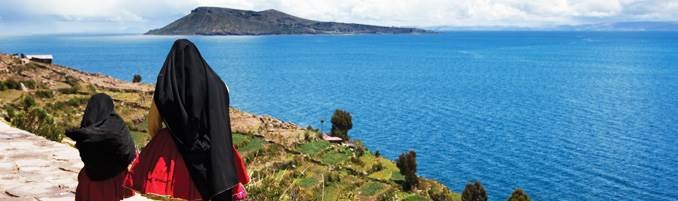
The day continues with a crossing of Puno Bay to the island of Taquile. Explore Taquile on foot and discover its inhabitants and culture. On this island, the men wear hats that they knit themselves and the women dress in layered skirts. Their clothing reflects their social status: whether they are married, have children, or are single. The island’s population speaks Quechua, not Aymara as on Amantani Island. Taquile lives at its own pace, and this day will be an opportunity to appreciate its riches.
Return by boat in the afternoon and stop at the docks of the Luquina community. Welcome by the community, visit the village, then settle into your cabin with a local family. Walk to the heights of the peninsula to watch the sunset over the lake, one of the most beautiful in the country.
Dinner and overnight stay in the community.
Included: lunch (excluding drinks), dinner (excluding drinks), entrance fees to sites, overnight stay with a local family (rustic accommodation), transportation
Day 13 : LUQUINA – PUNO
After a breakfast featuring local flavors, you have two options:
1) Set off with your family to the fields to learn how to live with this community of farmers, fishermen, and ranchers.
2) Set off with your English-speaking guide on a hiking tour of the peninsula and its various villages, climbing to the highest mountain peak on the island for a superb view of the lake.
Return to the village for lunch. Relax on the beach, then return by boat to the port of Puno and transfer to your hotel.
Overnight stay at the Casona Plaza Hotel in a standard room.
Included: lunch, breakfast, transportation, room & breakfast
Jour 14 : PUNO – JULIACA – LIMA
After breakfast, transfer to the airport for your flight to Lima. Domestic flight from Juliaca to Lima, approximately 1 hour and 30 minutes.
OPTION / ADD-ON: The Salkantay trek
** For a detailed description of the itinerary, click here
This route was used and recognized in both Inca and colonial times.
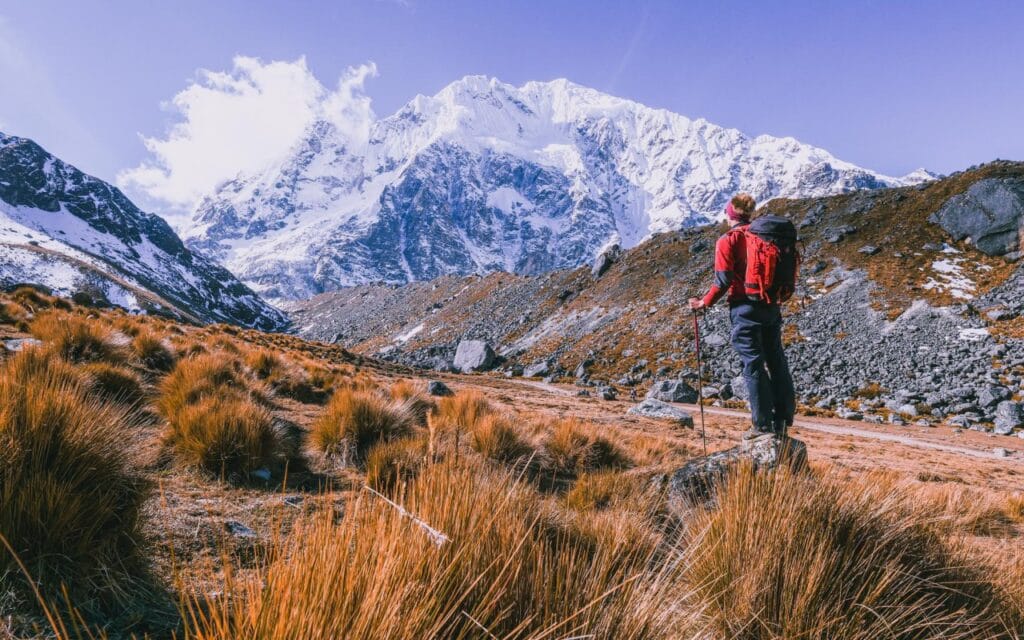
The mountain named Salkantay is a so-called APU mountain, i.e. a sacred mountain revered by the Incas. The Salkantay road is also famous for its alternative route to the famous Inca city of Machu Picchu.
The scenery is spectacular, with the road winding between mountains and valleys and passing very close to the Salkantay glacier. It is less busy than the Inca Trail, making it a very interesting alternative.
Difficulty level: Moderate +;
4 days; 57 Km;
Total climbs of 2060 m and total descent of 3740 m.
 *** Please note that other circuits are also available on request.

OPTION/ADD-ON: Arequipa and the COLCA Canyon
Arequipa is the capital of the Peruvian region of the same name, and the country’s second-largest city in terms of population. The city lies at an altitude of over 2,335 meters (7,550 feet), at the foot of the Misti volcano in the Peruvian Andes. It is nicknamed “The White City”. The city is home to the world’s largest convent, the Santa Catalina Convent.
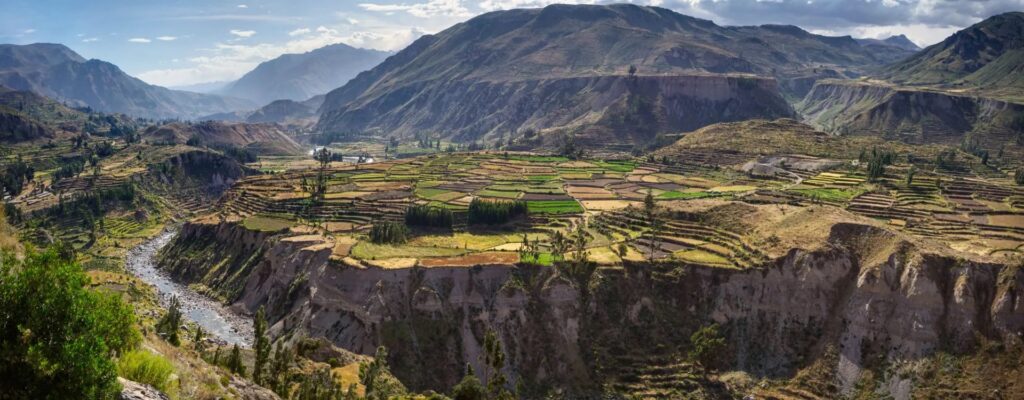
From Arequipa, a visit to the Colca Canyon is a must. This canyon, 3400m deep, is the 2nd deepest canyon in the world after its neighbor Cotahuasi, and is twice as deep as the Grand Canyon in the U.S. The canyon is home to a condor colony.
OPTION/ADD-ON: The Amazonian jungle
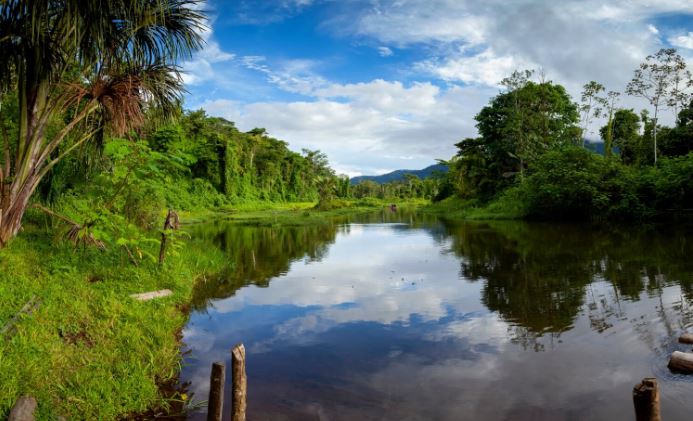
Less well known than Machu Picchu, Peru’s Amazon jungle offers a diversity of flora and fauna that you won’t find in the heights of the Andes. A short flight and a 40-minute boat ride on the Madre de Dios River in a typical Amazonian boat will take you to the Corto Maltes Amazonia Lodge and your stay in the jungle.
Enjoy an expedition to Monkey Island, where several species of these fascinating and entertaining animals live in the wild, visit the Tambopata-Candamo National Reserve with a 5 km hike through the rainforest, and observe the diverse flora and fauna of this national park. The tour includes the paradisiacal Lake Sandoval, home to many animal species, kingfishers, different species of monkeys, caimans, and piranhas.
OPTION/ADD-ON: Guided tour of Lima
On your return, take a guided tour of Lima before catching your international flight home.
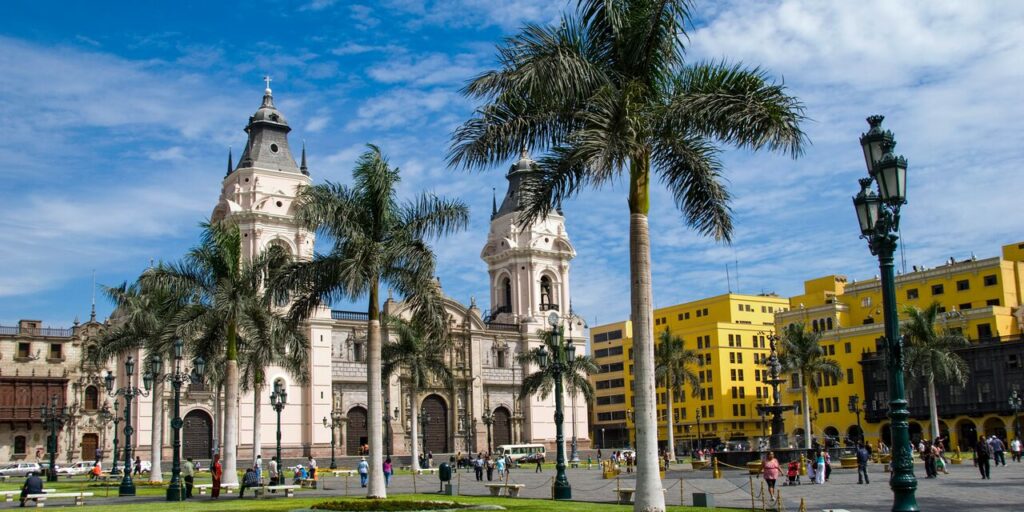
Your private English-speaking guide and vehicle will be waiting to take you on a tour of the different neighborhoods of Peru’s sprawling capital, Lima. Leave your luggage at the airport for the day ($us). Visit the colonial center of “The City of Kings,” the Spanish colonial center, with Plaza San Martin and Plaza Mayor, where important buildings such as the Government Palace, Lima Cathedral, and the Archbishop’s Palace are located. Visit the city’s catacombs, dating from the 17th century. This part of the tour is mostly on foot.
Then pass through the San Isidro neighborhood, home to the country’s elite, and the charming student neighborhood of Barranco. Walking tour of Barranco with a visit to the Ermita Church and the famous Bridge of Sighs, the Descent of the Baths, and the Church of the Santisima Cruz. The last stop is the huge district of Miraflores, a city within a city, now the new center of Lima. We will pass by several points of interest, including the Parque del Amor, and end at the Larcomar center, where there are several restaurants with terraces overlooking the sea. Free time in the Miraflores district. Your vehicle will pick you up to take you back to Lima airport 3 hours before your flight departure.
OPTION/ADD-ON: One night in Skylodge
Have you ever wanted to sleep in a condor’s nest? Here’s the next best thing! A luxury transparent capsule suspended atop a mountain in Peru’s Sacred Valley.
Located in the Sacred Valley of Cuzco, Peru, the exclusive Skylodge Adventure Suites offers you the chance to sleep in a completely transparent suspended room, allowing you to enjoy the impressive view of this magical and mystical valley.
Group departures
English- and French-speaking departure
Inca Trail and Salkantay :
Dates for 2026: 25 April / 16 May / 6 June / 11 July / 1 August / 29 August / 12 September / 17 October / 7 November /
* Subject to availability: The Inca Trail is subject to quotas. It is therefore important to book your permit for this trek at least 6 months in advance. If no permits are available, there are other tours, such as the Salkantay, for which a permit is not required. Please contact us for more information.
PLEASE NOTE: The Peruvian government has established quotas to protect the environment and historic sites along the Inca Trail. Contact us for more information.
* Inti Raymi (Sun Festival) is celebrated every year on June 24 at the Sacsayhuamán fortress (two km from Cuzco). Inti Raymi is originally an Inca religious ceremony in honor of the winter solstice in the Andean countries of the southern hemisphere.
Prices and detailed itineraries:
Atlantis Adventures offers you several discovery tours of Peru’s wonders, as well as the possibility of “tailor-made” tours. And why not extend your stay to visit neighboring Bolivia, and discover another corner of South America? True to our slogan, Aventures Atlantis offers you trips “Tailored to your dreams”.
Inclusions
- Land, rail and sea transport
- Standard accommodation (double occ.)
- Entrance to all sites mentioned in the program
- All you need for the Inca Trail and Salkantay (private transfer; local English-speaking guide; cook; porters; meals; tents; inflatable mattresses; oxygen)
- All breakfasts and meals mentioned in the program
- Planning and logistics
- Taxes
***PLEASE NOTE: Your sleeping bag and personal belongings are not carried by the porters; you must carry them or hire a private porter. A private porter can carry up to 15 kilos of extra equipment; it is possible to share a porter for two people.
Not included :
- Personal equipment (sleeping bag, walking sticks, etc.)
- Meals not mentioned in the program, snacks and beverages
- Insurance
- Personal expenses
- Tips
- Airport taxes in Peru (if applicable)
- All international and domestic flights
May 17 2025
Inca trail and Salkantay
The Inca Trail and the Salkantay trek lead to Machu Picchu through Inca ruins, majestic mountains and lush forests. One…

Acute mountain sickness (AMS)
There are many sources of information on acute mountain sickness (AMS). We have compiled some of this information for you…
Peru – best cultural and culinary destination
Peru, the world’s best cultural destination, is a treasure trove for lovers of history and tradition. The country is marked…
Form
Peru – Machu Picchu and more
Are you interested in this destination or would you like more information? Don't hesitate to contact us!